Thursday, April 24, 2025

Untethering West Africa: Mali and Burkina Faso Break Free from French Influence

 The recent decisions by Mali and Burkina Faso to sever ties with France are more than just diplomatic shifts; they represent a powerful groundswell of anti-French sentiment echoing across West Africa. This move underscores a growing desire for genuine sovereignty and marks a significant step in the ongoing African Renaissance towards self-reliance and sufficiency. For too long, the shadow of colonial influence has lingered, shaping economic and political landscapes in ways that many now deem detrimental to true African progress.

The frustration is palpable. Many in Mali and Burkina Faso, and indeed across the region, view France's continued presence and influence as a perpetuation of neo-colonial dynamics. Military interventions, economic policies, and cultural dominance, once accepted as the status quo, are now being critically examined through the lens of national interest and self-determination. The narrative of France as a benevolent partner has been eroded by perceptions of interference and a failure to effectively address local security challenges. The rise of alternative global powers offering different models of engagement has further emboldened these nations to chart their own course.


This rejection of a long-dominant external power is intrinsically linked to the spirit of the African Renaissance. This vision, championed by African intellectuals and leaders for decades, calls for a continent that is politically and economically independent, culturally vibrant, and capable of solving its own problems. It emphasizes the need to break free from reliance on former colonial powers and to forge partnerships based on mutual respect and genuine benefit. The move by Mali and Burkina Faso can be seen as a tangible manifestation of this ideal – a bold assertion of their right to determine their own futures without external dictates.


However, this path towards self-reliance is not without its complexities. The security vacuums left by the departure of French forces, the need for sustainable economic alternatives, and the internal challenges of governance all present significant hurdles. Yet, the prevailing sentiment suggests a willingness to confront these difficulties head-on, driven by a deep-seated belief in Africa's capacity for self-sufficiency. The actions of Mali and Burkina Faso serve as a potent symbol of a continent increasingly determined to embrace its own agency and build a future defined by African solutions for African challenges, embodying the very essence of an African Renaissance.

Wednesday, April 23, 2025

Tuskegee's Stain: 40-Year Experiment Shattered a Community and Echoes Through Generations

 The Tuskegee Syphilis Study, officially titled the "Tuskegee Study of Untreated Syphilis in the Negro Male," was a horrific experiment conducted in Macon County, Alabama, by the U.S. Public Health Service (USPHS) between 1932 and 1972 CDC The study involved approximately 600 African American men, 399 of whom had syphilis, and 201 who did not.  These men, mostly poor sharecroppers, were misled and never informed of their actual diagnosis. Instead, they were told they were receiving treatment for "bad blood," a local term used to describe several ailments. EJI

  • Researchers did not obtain informed consent from the participants.
  • Even after penicillin became available in the 1940s as a safe and effective treatment for syphilis, it was deliberately withheld from the men McGill University
  • The study continued for 40 years, causing immense suffering, death, and the spread of the disease to wives and children EJI

The Tuskegee Study had a devastating impact on the African American community, leading to:

  • Medical Mistrust: A deep-seated distrust of the medical establishment and research among African Americans, which persists to this day. Tuskegee University
  • Health Disparities: The legacy of the study is correlated with increased medical mistrust and mortality among African American men. Stanford Health Policy
  • Ethical Violations: The study is considered one of the most egregious violations of research ethics in U.S. history. JCU Open eBooks

On May 16, 1997, President Bill Clinton issued a formal apology to the survivors of the Tuskegee Syphilis Study and their families. Britannica He acknowledged the government's wrongdoing, stating, "The United States government did something that was wrong, deeply, profoundly, morally wrong." National Archives Clinton also announced an investment to establish The National Center for Bioethics in Research and Health Care at Tuskegee University as a "memorial" to the victims. 

Forging a Pan-African Consciousness: Echoes of Empowerment Across the Diaspora

 The dream of true black empowerment transcends geographical boundaries, echoing in the ideologies of generations of activists who understood the interconnectedness of the black struggle globally. Forging a robust Pan-African consciousness is not merely a nostalgic ideal; it's a potent pathway to collective liberation and a future where black unity translates into tangible power.

Marcus Garvey, a towering figure of the early 20th century, passionately articulated this vision, declaring, "I know no national boundary where the Negro is concerned. The whole world is my province until Africa is free." His emphasis on self-reliance and the unification of black people across the diaspora laid a foundational stone for Pan-Africanism, urging a return to a shared heritage as a source of strength. He famously stated, "A people without the knowledge of their past history, origin and culture is like a tree without roots." This understanding of shared ancestry remains a vital component of a unifying consciousness.

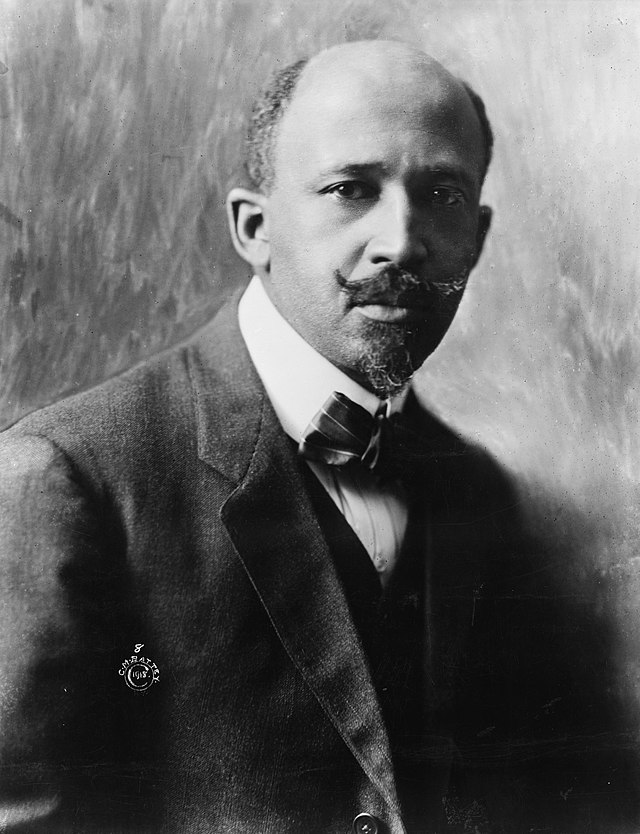
Similarly, W.E.B. Du Bois, a scholar and activist who significantly shaped the intellectual landscape of the black liberation movement, recognized the dual consciousness often experienced by black individuals in the West. Yet, he also championed the idea of a unified black identity and collective action. While his approach differed from Garvey's, his participation in the early Pan-African Congresses underscored his belief in the necessity of global black solidarity to combat systemic oppression. Du Bois eloquently stated his belief in universal kinship: "I believe in God, who made of one blood all nations that on earth do dwell. I believe that all men, black and brown and white, are brothers..."   


The call for black empowerment resonates through the powerful words of Angela Davis, who reminds us that liberation is an ongoing and multifaceted struggle. Her emphasis on intersectionality highlights the interconnectedness of various forms of oppression, urging a unified front that acknowledges the unique experiences of black women and other marginalized groups within the black community. Davis powerfully asserts, "Freedom is a constant struggle," underscoring the need for sustained and collective action.

Bell hooks, a critical voice in black feminism, further enriches this understanding by emphasizing the importance of internal solidarity and challenging patriarchal structures within the black community. Her work highlights the necessity of a black unity that is inclusive and empowering for all black individuals, regardless of gender. hooks reminds us that "Our struggle for liberation has significance only if it takes place within a feminist movement that has as its fundamental goal the liberation of all people."   

Forging a Pan-African consciousness in the 21st century requires embracing these multifaceted ideologies. It demands a commitment to understanding our shared history, building economic power within our communities, fostering intergenerational dialogue, and recognizing the global interconnectedness of the black experience. By consciously cultivating this sense of shared identity and destiny, we can move beyond fragmented efforts towards a truly unified and empowered future for black people worldwide. The echoes of Garvey's call for unity, Du Bois's vision of solidarity, Davis's demand for constant struggle, and hooks's insistence on inclusive liberation serve as powerful guiding principles in this ongoing and vital endeavor.

The Unfinished Bridge: Reimagining Black Unity Beyond the NAACP's Reach

 While the NAACP, a historic pillar in the fight for black rights and against racial discrimination, has undeniably achieved landmark victories, a candid assessment necessitates acknowledging its shortcomings as the sole force for the complete liberation and empowerment of black people. To truly envision a future of black unity and power, we must consider the limitations of any single organization, however venerable, and explore broader, more inclusive pathways.

One significant area where the NAACP has faced criticism lies in its perceived disconnect from the everyday struggles of working-class black communities. Critics argue that its focus has historically leaned towards a middle-class agenda, sometimes failing to adequately address the deep-seated economic disparities that disproportionately affect a large segment of the black population. Issues like economic justice, access to quality education in underserved areas, and combating systemic poverty often require more radical and community-driven approaches than traditional legal and legislative avenues alone.

Furthermore, the landscape of black activism has evolved. The rise of movements like Black Lives Matter, fueled by the urgency of contemporary injustices and the power of decentralized organizing, highlights a desire for more direct action and a broader critique of systemic oppression. While collaboration can and does occur, the differing approaches and priorities can sometimes create a fragmented front, hindering the cohesive black unity needed to exert maximum power.

Internal challenges, including organizational structure, bureaucracy, and the struggle to maintain relevance with younger generations, have also impacted the NAACP's capacity to be the singular unifying force. The need to adapt to the digital age, embrace diverse voices, and foster a sense of ownership among a new generation of activists is crucial for any organization seeking to lead a powerful and unified movement.

The future of black unity and power lies not in relying solely on one organization, but in fostering a pan-African consciousness that transcends geographical boundaries and ideological differences. This unifying principle recognizes the shared history, struggles, and aspirations of black people across the diaspora. It emphasizes:

  • Intergenerational Collaboration: Bridging the wisdom of established organizations with the energy and innovation of younger movements.
  • Economic Empowerment as a Unifying Force: Focusing on building collective economic power through entrepreneurship, financial literacy, and community investment.
  • Cultural Reclamation and Celebration: Strengthening a shared identity rooted in the richness and diversity of black cultures.
  • Global Solidarity: Recognizing the interconnectedness of struggles against racial injustice worldwide and building alliances with other marginalized communities.
  • Decentralized Organizing: Empowering grassroots initiatives and fostering leadership at the local level while working towards shared overarching goals.

The NAACP can and should play a vital role in this future, contributing its historical knowledge, legal expertise, and established infrastructure. However, true black unity and power in the 21st century demands a more expansive vision – a conscious and collaborative effort that harnesses the diverse talents, perspectives, and energies of black people globally, united by a shared commitment to liberation, justice, and self-determination. The unfinished bridge to true equality requires many hands and a unified vision that extends beyond the limitations of any single entity.

Sunday, April 13, 2025

Own It, Build It, Pass It On: Economic Awakening in the Black Diaspora


Across continents, the global Black community is rising to reclaim economic power and rewrite the narrative of wealth. For too long, systemic barriers and generational inequality have silenced our economic voices. But now, a powerful awakening is happening—one rooted in self-determination, collaboration, and legacy-building.

Economic empowerment is no longer optional—it is essential. From Harlem to Lagos, Nairobi to London, the call is clear: it’s time to own, build, and thrive. Supporting Black-owned businesses is a revolutionary act. It's not just buying a product; it's investing in a future where our children inherit businesses instead of debts, opportunity instead of oppression.

To truly shift the tide, we must embrace critical steps:

  1. Financial Literacy: Knowledge is power. Understanding budgeting, saving, investing, and credit is the first weapon in dismantling economic disparities. Community-led workshops, youth programs, and online platforms are key.

  2. Entrepreneurship: We must create our own tables. Encouraging innovation and supporting startups led by Black visionaries will fuel job creation and cultural wealth.


  3. Property Ownership: Land and home ownership remain pillars of generational wealth. Access to fair housing, real estate education, and cooperative investments can secure our economic foundations.

  4. Digital and Global Innovation: The future is digital. Tech, e-commerce, crypto, and content creation offer new arenas for growth. We must be present, skilled, and leading in these spaces.

  5. Circulating the Black Dollar: Consciously spending within our communities multiplies impact. Build networks, share resources, and amplify one another.

This is not just an economic movement—it’s a spiritual return to our power. Economic liberation is about restoring dignity, agency, and freedom to a people long denied it. Let’s rise, not just for survival, but for prosperity.

Together, we build. Together, we rise.

Friday, April 11, 2025

Healing Our Roots: Reclaiming African Medicine and Nutrition for a Healthier Future

 For centuries, African communities relied on traditional medicine—rooted in nature, spirituality, and ancestral wisdom—to heal and maintain health. Remedies crafted from herbs, roots, and native plants were passed down through generations, offering holistic treatments that connected body, mind, and spirit. But the rise of global pharmaceutical industries, or “Big Pharma,” has gradually pushed these practices to the fringes.

Through media, advertising, and institutional dominance, Big Pharma has painted traditional African medicine as outdated or unscientific, while promoting synthetic drugs as superior. This narrative has led many to abandon indigenous healing practices, not because they failed, but because they were overshadowed by profit-driven systems that rarely honor cultural knowledge.

At the same time, modern Western-influenced diets—high in processed foods, sugars, and unhealthy fats—have contributed to rising rates of obesity, diabetes, and hypertension, especially within Black communities worldwide. In the diaspora, these health issues have led to shorter life expectancies and lower quality of life, particularly in underserved communities where access to fresh, whole foods is limited.

However, a movement is emerging—one that urges a return to ancestral wellness. By rediscovering the power of traditional African medicine and embracing more natural, nutrient-rich diets, we can reclaim health and longevity. Incorporating herbs like moringa, neem, and hibiscus, alongside indigenous food staples like millet, sorghum, and leafy greens, promotes healing from the inside out.


Education is key. Learning about our ancestors’ approaches to wellness and blending that wisdom with modern insights can empower us to take control of our health. It’s not about rejecting all of modern medicine—but rather, about restoring balance.

The path to healing is not in forgetting our roots, but in honoring them. In doing so, we don’t just preserve culture—we improve lives

Africa’s Crossroads: Socialism vs. Capitalism in Shaping the Continent’s Future

 Africa, a continent rich in culture, resources, and diversity, has seen varied approaches to economic development. Among the most debated is the ideological split between socialism and capitalism. While many African countries adopt hybrid models, some clearly lean toward socialism, emphasizing state control and wealth redistribution, while others embrace capitalist ideals, driven by private enterprise and market liberalization.

Tanzania, under the leadership of Julius Nyerere, was one of Africa’s earliest adopters of socialism through the Ujamaa policy in the 1960s. This model focused on collective agriculture, nationalization of key sectors, and equal access to social services. While Ujamaa had mixed results, it laid the foundation for Tanzania’s focus on unity and social development, still evident today in its strong public healthcare and education systems.

Eritrea is another example of a country where the state plays a dominant role in the economy. Following independence in 1993, Eritrea maintained a command economy, with limited private sector involvement. Although this has helped maintain national identity and discipline, critics argue that it has stifled innovation and economic freedom.

In contrast, Kenya represents a more capitalist-oriented approach. Its economy is driven by entrepreneurship, foreign investment, and a thriving private sector. The growth of fintech companies like M-Pesa and the expansion of the real estate and service industries are testaments to Kenya’s capitalist momentum. However, this growth has also led to increased inequality and urban-rural economic divides.

Nigeria, Africa’s largest economy, also leans towards capitalism. With its oil-driven economy, a bustling tech sector, and growing middle class, Nigeria reflects the dynamism of a free-market system. Yet, the challenges of corruption and unequal wealth distribution persist.

Ultimately, the debate isn’t about which model is superior, but about what works best in each national context. The future of Africa may lie in blending the best of both worlds—ensuring equity and inclusion through social policies while encouraging innovation and growth through market-based strategies.

Hidden in Plain Sight: The Kushite Kings Who Ruled Egypt

 For generations, textbooks struggled to admit that Egypt's rulers were Black Africans. Around 744 BCE, a king named Piye left his sout...